About
Introduction
OutSMA℞T Dementia is an innovative, narrative-driven game designed to support and educate home caregivers and family members of people living with dementia (PLWD). Developed by the Collaborative Research on MEdication use & family health (CRoME Lab) at the University of Kentucky College of Pharmacy in partnership with Filament Games, this serious game empowers caregivers by simulating real-life scenarios, fostering empathy, and teaching practical caregiving strategies.
Learning Objectives
The primary goal of OutSMA℞T Dementia is to provide an experiential learning tool for caregivers. The game aims to:
- Education & Simulation: Explore real caregiving decisions and strategies.
- Empathy Development: See life through the eyes of both caregiver and PLWD.
- Sustainable Care: Recognize and address caregiver burnout.
- Practical Skills: Understand medication safety and daily care routines.
Game Mechanics & Narrative
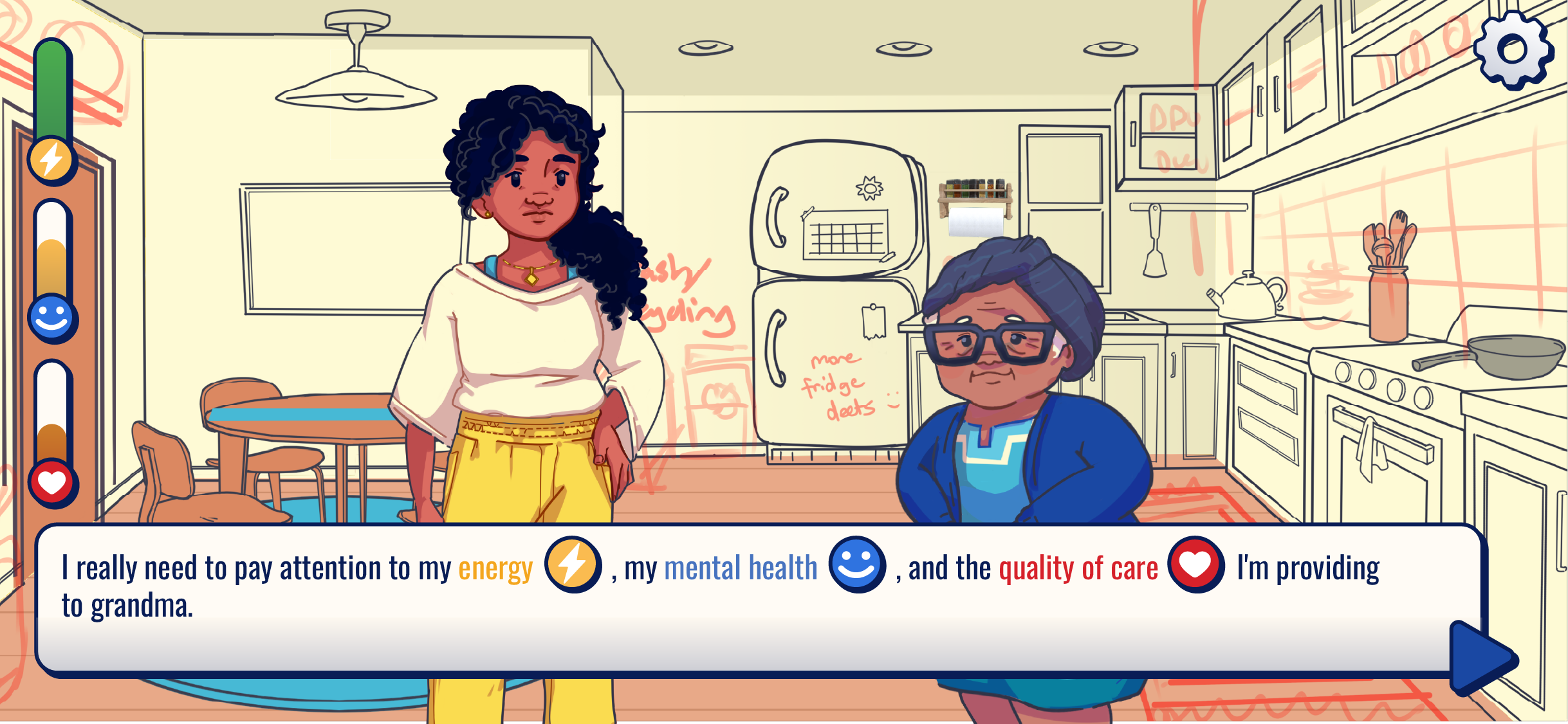
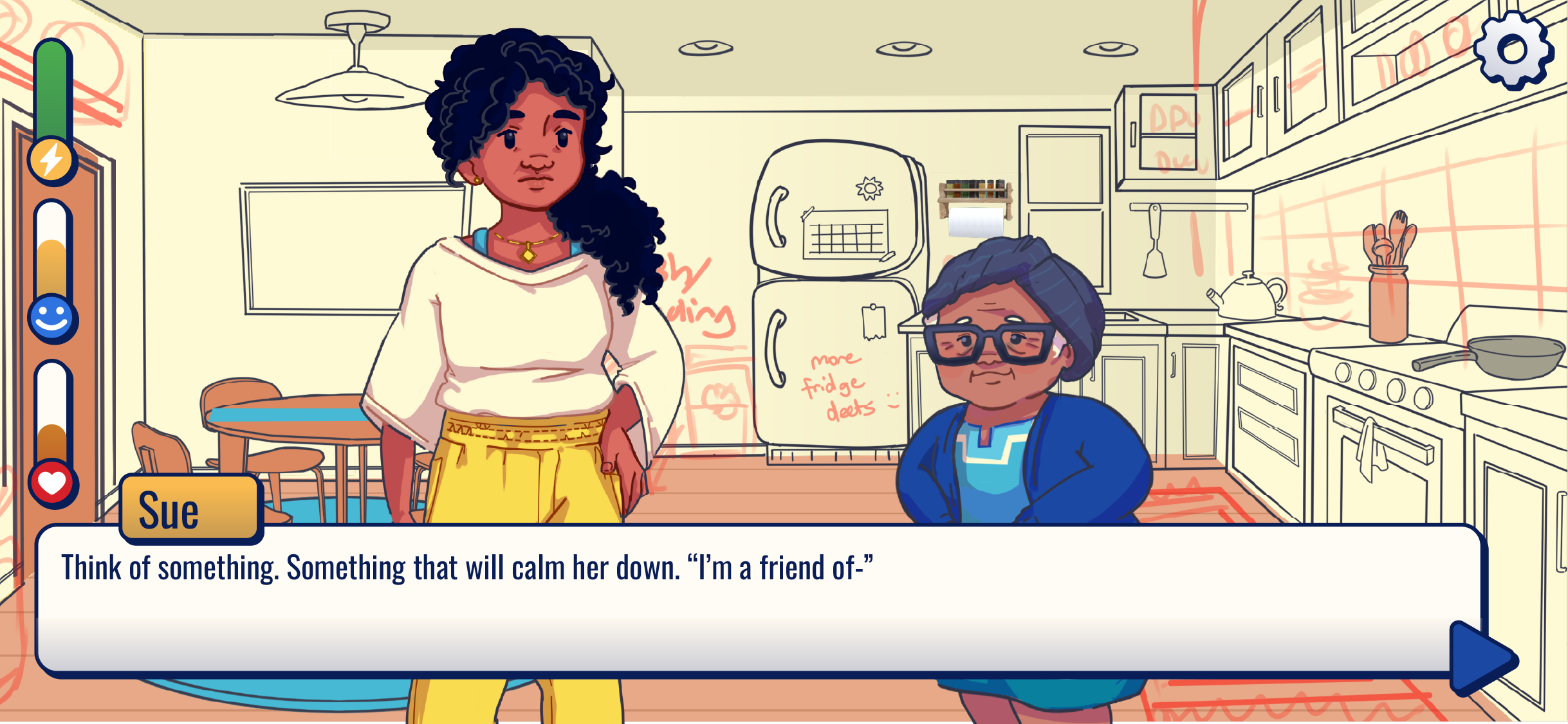
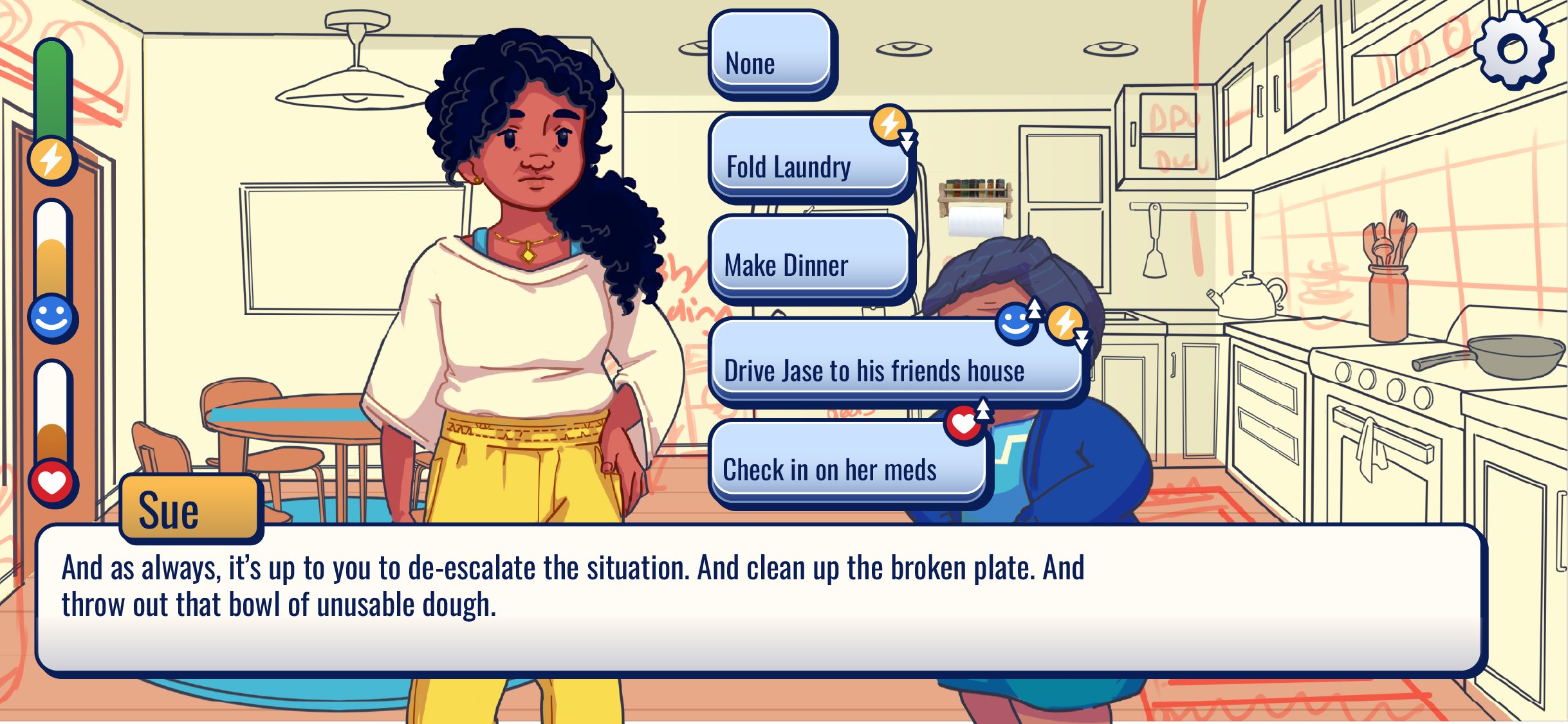
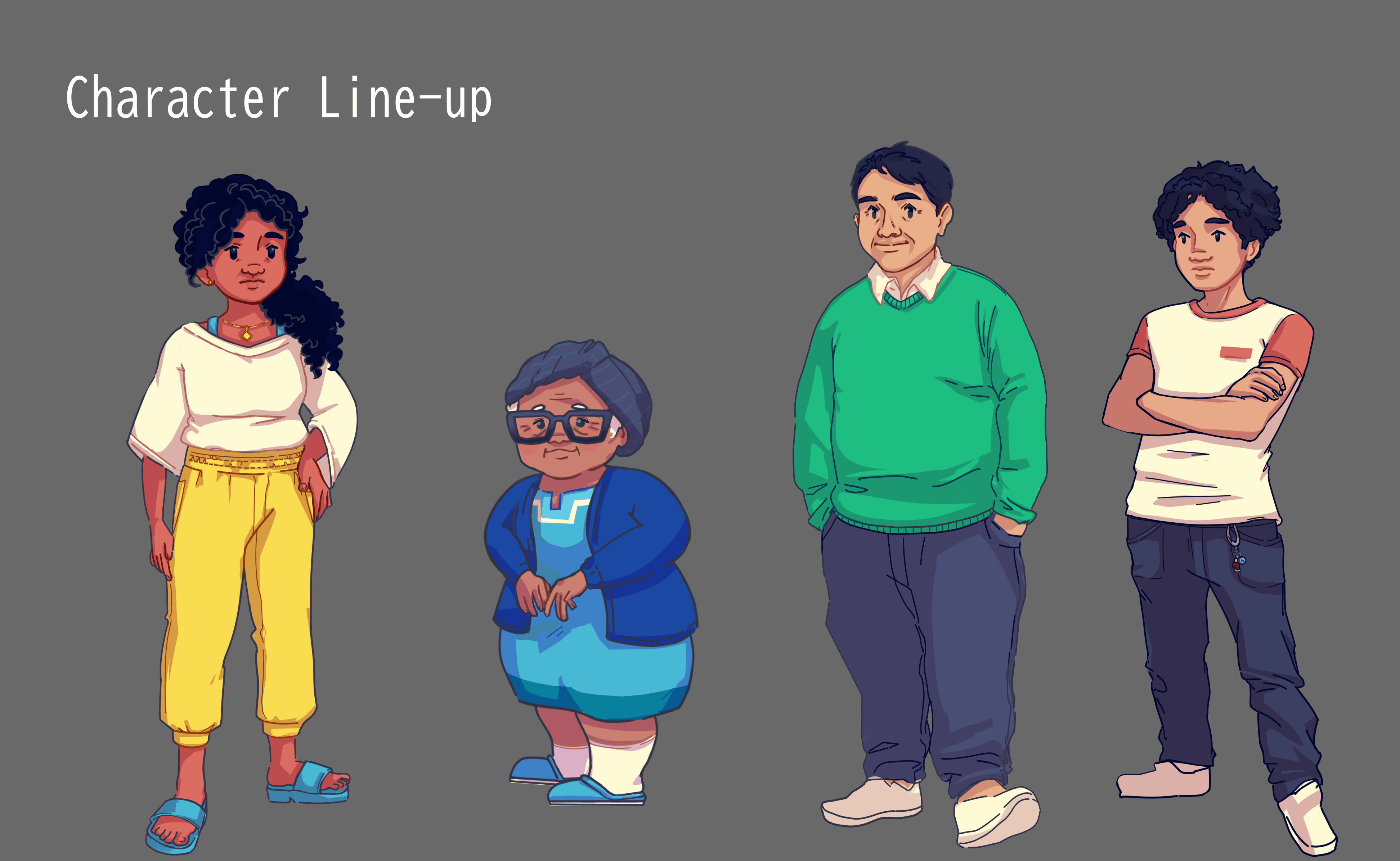
Players step into the shoes of a home caregiver, making decisions that impact both the quality of care and their own well-being. The game features:
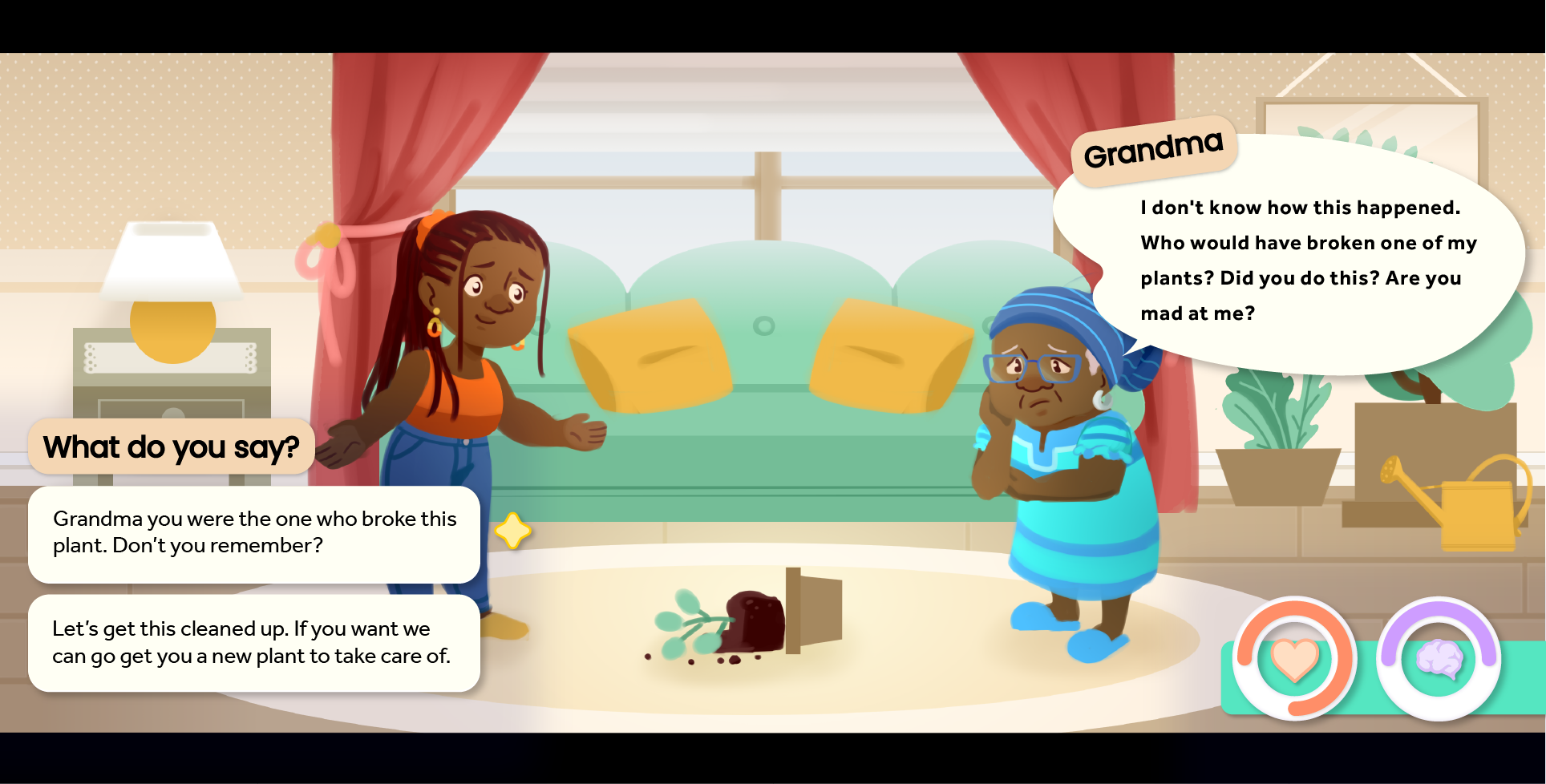
- Narrative Scenes: Experience the daily challenges and rewards of caregiving.
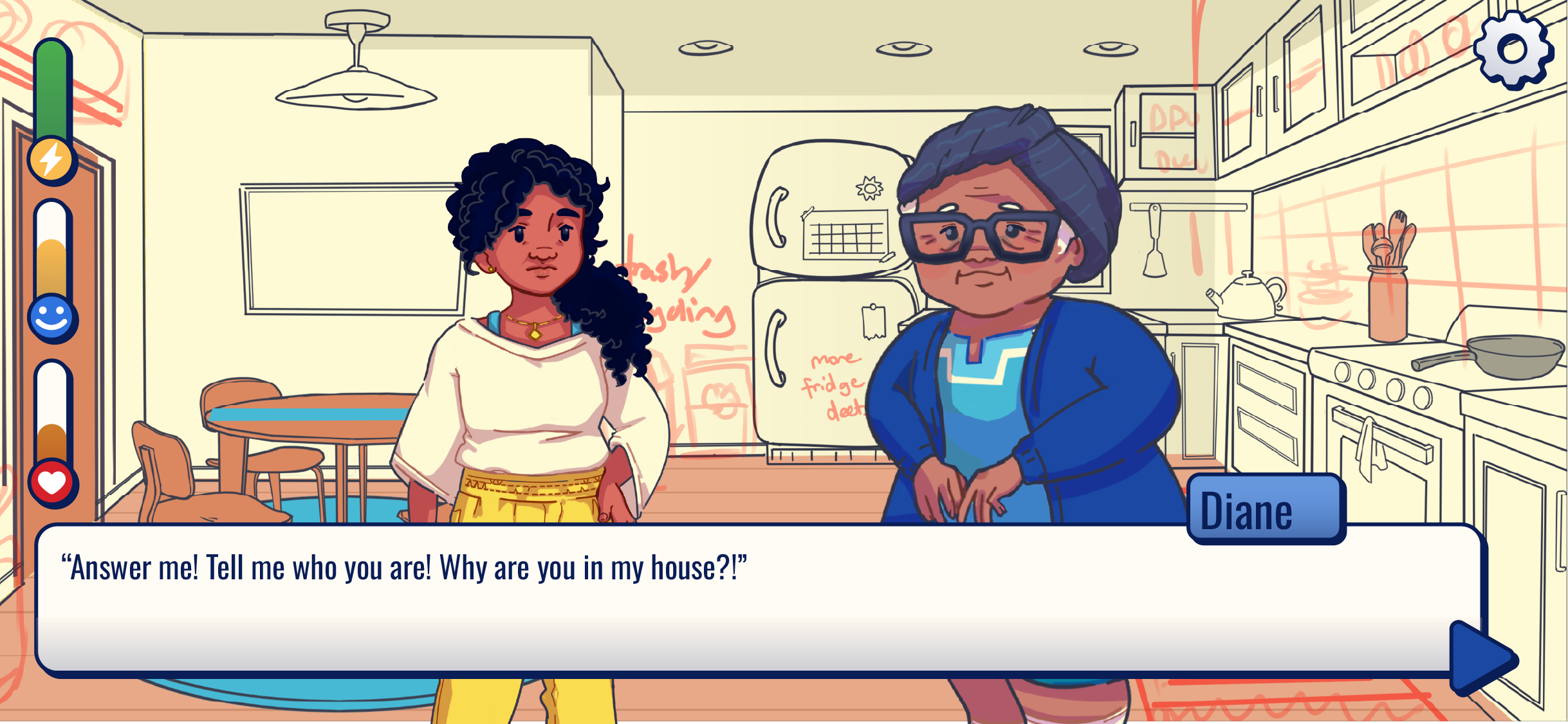
- Dual Perspectives: Occasionally, play as the person living with dementia to understand their world.
- Decision Points: Choices affect “wellness scores” for energy, mental health, and quality of care.
- Empathy Building: Scenarios are crafted to help players appreciate the realities of dementia, reinforcing that behaviors are not ill-intentioned but rooted in the disease.
- Medication Safety: Learn about the importance of safe medication management in dementia care.
The GUIDE Model Connection
OutSMA℞T Dementia aligns with the CMS Innovation Center’s GUIDE Model—a nationwide initiative to improve dementia care through coordinated, evidence-based services and structured caregiver support. The game embodies GUIDE’s core principles:
- Care Coordination: Simulates real-world navigation of clinical care and support services.
- Caregiver Training: Offers practical, scenario-based education.
- Empowerment: Recognizes caregivers as essential partners in dementia care.
Serious Games
Serious games are digital tools that promote positive health behaviors by offering innovative learning methods for delivering health information. While serious games have been shown to be successful in cancer medication adherence and self-advocacy during cancer treatment, a theory-driven serious game to educate youth about cancer and how to reduce cancer risk has not been developed and evaluated to date. Serious games can encourage active engagement and foster positive health behaviors, thus, we have the potential to affect change with a well-designed serious game targeted for adolescents. Because of their frequent use and repetitive nature, serious games are an ideal educational tool for positive health impact. They have been shown to enhance learning and reinforce content by providing immediate feedback to the player. While serious games have been successful in cancer medication adherence and self-advocacy during cancer treatment, a serious game that teaches adolescents about cancer basics and risk has not been found in the literature to date.
Our long-term goal is to determine whether a game-based intervention can improve adolescents’ cancer knowledge and reduce risky behaviors. This research builds upon Dr. Abraham’s prior ICTR-funded work focused on a serious game-based intervention to promote safe prescription opioid use.
Research & Impact
The game’s development is guided by the Serious Game Behavior Change Framework and involves:
- Co-design with caregivers and healthcare professionals.
- Pilot testing and iterative refinement.
- A large-scale randomized controlled trial to measure effectiveness.
- Community dissemination and ongoing feedback from users and providers.
Research & Development
The game is being developed in stages, starting with a “vertical slice” focusing on a single story. Specific player choices and behaviors are logged for research purposes by the University of Kentucky College of Pharmacy to help understand caregiving dynamics better.
Project Timeline
Media
Contact
If you have questions about this research, please contact the Principal Investigator, Dr. Olufunmilola Abraham by email: Olufunmilola.Abraham@uky.edu.
If you have questions about the CRoME Lab, our studies, becoming a participant, or want to join the team, please contact the Research Coordinator by email: crome.lab@uky.edu.
The CRoME Lab's mission is to develop, implement, and disseminate novel methods for improving medication safety and health behaviors for vulnerable and underserved populations, while training the next generation of researchers. Projects within the CRoME research core share the common goal of applying community-engaged, collaborative, and transdisciplinary approaches to improving medication use and health outcomes for families through education, prevention, and intervention programs. For more information, please visit our website: https://crome-lab.web.app